





- Mayor : Charaf Bensari
- Region : Constantine
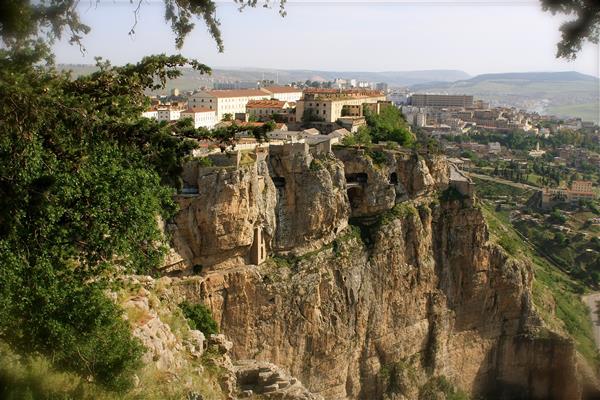
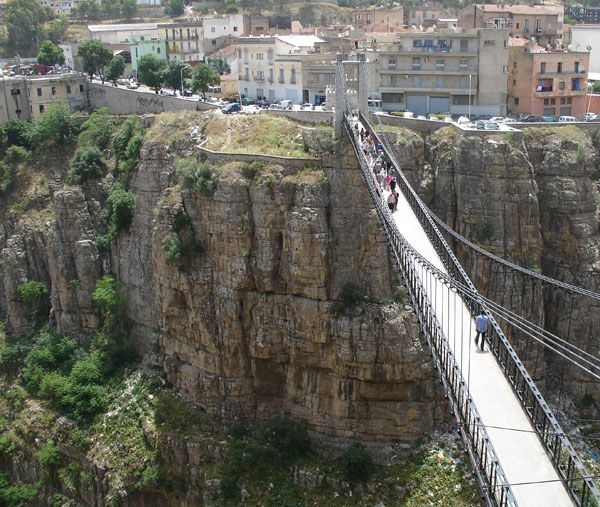
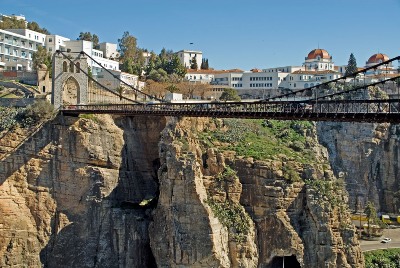
Constantine is the administrative centre of the Wilaya (region) of Constantine. A metropolis in the North-East of Algeria, it has more than 740.000 inhabitants (1.000.000 in the conurbation). It is considered as the third most populated city in the country. Constantine used to be called Cirta, but has other names: the “city of hung bridges” or the “city of eagles”. It is one of the oldest cities in the world (at least 25 centuries). As an ancient imperial fortified city, it benefited from a strategic position, with its rock and its high wall. Cirta used to be a great Phoenician city before becoming the capital of Numidia during the reign of Massinissa, who was allied with Rome. It was destroyed in 311 by Maxence and Domitius Alexander.
Constantin the 1st built it again, a few decades after, and gave it the name it has had for the last 17 centuries. The advent of Muslim civilisation offered a new dimension to the city, with new cultural, scientific and religious aspects. The city was conquered by the French in 1837, after two sieges (the first was in 1836, with a French defeat). It was another step in its tumultuous history.
Constantine has kept traces of all civilisations it has known:
- From the Numidian civilisation, a visitor will find the tombstone of Massinissa in Khroub, at 16 kilometres from the town centre, or the ruins of Tidis, an ancient military fortress (30km from the city).
- From the Roman civilisation, the statue of Constantine, in front the railway station in the town centre (in Bab El Kantara), or the viaduct that is at the edge of the road to the international airport (Mohamed Boudiaf) of the city.
- From the Arab-Muslim civilisation, the old city, which is an architectural jewel.
- From the Turkish civilisation, the Palace of the Bey.
- From the French civilisation, the European city.
Constantine is known for the refined lifestyle of its inhabitants, and is a symbol of Arab-Andalusian culture, with its fashion trends, its music and its famous food culture. Its bridges are steles in memory of the convicts of the Kasbah, who were the workforce of the city and its craftsmen.